
Blog
Bridesmaid Dresses, Makeup and Groomsmen Outfits: Who Pays?
October 30, 2026 · Updated October 30, 2026
Before choosing matching dresses, suits or professional makeup, agree on who pays. Explore practical arrangements and natural wording that keeps wedding-party costs clear.
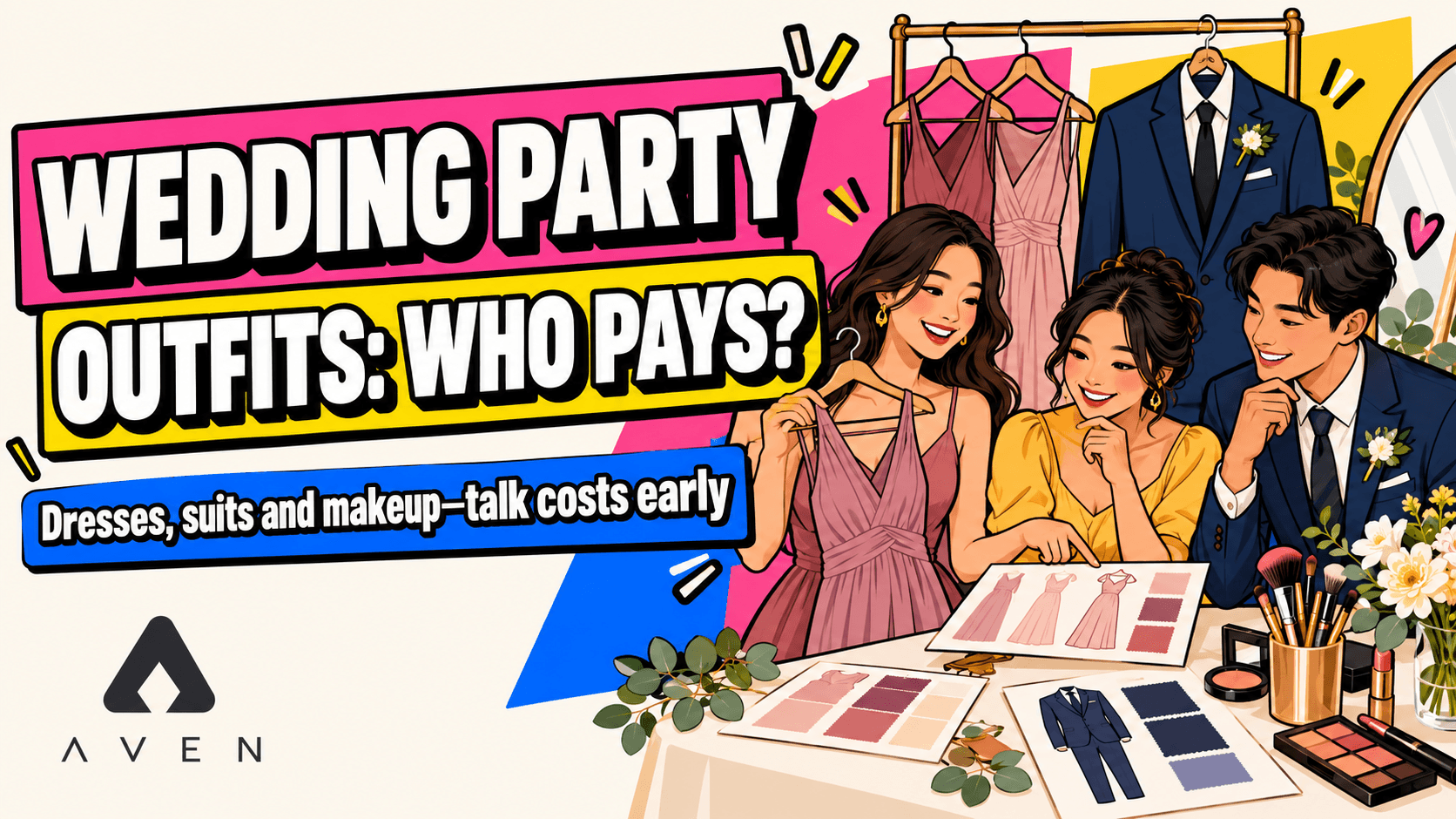
Discuss the payment before sending the shopping link
You find dresses that match your wedding colours. Your partner spots a suit rental package. A makeup artist offers to include the bridesmaids.
Before confirming anything, answer one question: who is paying?
Your friends may assume the couple is covering a coordinated look. You may assume everyone will buy their own outfit. Neither assumption helps once an order has been placed.
A considerate starting point is to budget for the specific extras you require, then discuss any personal spending before anyone commits.
This article offers ways to make that arrangement clear. It is not a fixed etiquette rule for every Singapore wedding.
For the overall plan, start with our Ultimate Singapore Wedding Planning Guide.
Should the couple pay for bridesmaid dresses?
If you require one particular dress, plan how to fund it before asking friends to order.
You could:
- Purchase the dresses.
- Cover a rental arrangement.
- Contribute an agreed amount.
- Choose a flexible dress code that allows existing clothes.
The more specific the requirement, the less flexibility your friends have to manage the cost.
“Any dress in these colours” gives someone more choice than a particular design from one shop.
If you hope bridesmaids will pay, ask privately about a comfortable budget first. Do not treat silence in the group chat as agreement.
What if bridesmaids can choose their own dresses?
A flexible approach can make it easier to find something comfortable and reusable.
Keep the instructions useful:
- A colour or small palette.
- The level of formality.
- Any practical requirements for the activities.
- A date by which choices need to be confirmed.
Avoid calling the choice flexible while rejecting every affordable option.
You might say:
“We’re going with shades of blue, but there’s no need to buy something new if you already have a suitable dress.”
If you want to approve choices, explain the criteria at the beginning. Avoid changing the brief after someone has purchased an outfit.
Who should pay for bridesmaids’ hair and makeup?
Separate a required service from an optional one.
If you require professional hair and makeup with a particular provider, include the cost in your planning or agree on a contribution before booking.
If the service is optional, share the actual quotation and let each person decide privately.
For example:
“We can arrange hair and makeup with our artist. It’s optional, and the quoted cost is [amount]. You’re welcome to do your own instead.”
Confirm what the quotation includes, the appointment time and any additional charges.
Do not book a service for everyone and announce their share afterwards.
Who should pay for groomsmen’s suits and outfits?
Use the same conversation you would have about bridesmaid outfits: what is required, what flexibility exists and who has agreed to pay?
Possible arrangements include:
| Outfit approach | What to discuss |
|---|---|
| Existing suits in a colour family | Whether everyone has something suitable |
| Matching rented suits | Rental cost, fittings, collection and returns |
| New suits chosen by each person | Budget, style guidance and whether buying is necessary |
| A specific matching outfit | Who funds each required item |
| Coordinated accessories | Whether the couple provides ties, pocket squares or other pieces |
Do not assume every groomsman owns formalwear or can easily buy a new suit.
Check fit and comfort before committing to a matching look.
What extra expenses should you include?
The price of the dress or suit may not be the full amount someone needs to spend.
Check for:
- Alterations.
- Delivery.
- Shoes.
- Accessories.
- Required underlayers.
- Hair styling.
- Rental deposits.
- Cleaning or return charges.
- Transport for fittings or collection.
Ask whether each extra is genuinely necessary.
Requiring an exact shoe design or accessory can turn a modest outfit request into a larger purchase.
For Singapore weddings with several locations, also consider whether the outfit is comfortable for outdoor movement and time between venues.
Can the couple contribute a fixed amount?
Yes, provided everyone understands what the contribution covers.
For example:
“We’ll contribute S$80 towards each dress. Let’s find options within that amount first. If anyone personally prefers something more expensive, we can discuss the difference before ordering.”
The amount is an illustration, not a recommended rate.
A contribution works better when suitable options actually exist within it.
If your required outfit costs more than the contribution, the remaining amount is a requested payment. Discuss it honestly rather than describing the outfit as covered.
What if someone cannot afford the agreed look?
Make it easy for them to tell you privately.
You could say:
“Please message me if the cost doesn’t work for you. We can look at another arrangement.”
Depending on the situation, you might:
- Choose a less expensive option.
- Allow an outfit they already own.
- Cover the remaining amount.
- Simplify the accessories.
- Change from matching designs to a shared colour palette.
Avoid asking them to explain their finances to the whole group.
Also consider whether someone is comfortable wearing the outfit, not only whether they can afford it. Fit, coverage and personal preferences deserve a respectful conversation.
Who pays if the couple changes the requirements?
If you change the colour, design or provider after someone has spent money, discuss the consequences before asking them to buy again.
Check:
- Whether the original purchase can be returned.
- Any cancellation or exchange charges.
- Alteration costs already incurred.
- Who will cover replacement items.
A useful message is:
“We’re considering a change, but we know you’ve already purchased the original outfit. Let us check the costs before asking anyone to do anything.”
Avoid treating a changed preference as a new obligation for your friends.
What should you clarify for rentals and group bookings?
Before confirming, ask the provider about the practical details.
| Item | Clarify |
|---|---|
| Booking | Who confirms the order and pays the deposit |
| Sizing | How fittings and adjustments are handled |
| Collection | Who collects each item and when |
| Returns | Who is responsible and the deadline |
| Changes | Whether substitutions or cancellations are possible |
| Additional charges | What could trigger them and who needs to approve them |
Share the relevant terms with the people affected.
If a friend is handling collection for the group, check that the timing and transport are manageable.
Do not assume the person wearing an item knows the return arrangements unless someone has explained them.
How do you handle reimbursements clearly?
If someone is buying an item on your behalf, agree on the scope before they pay.
Confirm:
- What they are authorised to purchase.
- The maximum amount.
- Whether delivery or alterations are included.
- Whether they need approval before going over the limit.
- When and how you will reimburse them.
Keep reimbursements separate from thank-you gifts or ang baos.
If you say “we’re covering the outfit”, avoid leaving someone to guess whether a later gift includes repayment.
Record the expense in your wedding budget. Our Singapore Wedding Cost and Budget Guide can help you track the full amount.
What can you say in the wedding-party group chat?
When the couple is paying
“We’ll cover the agreed outfits and arrange the order. Please send your sizing privately, and let us know if you have any fit concerns.”
When the dress code is flexible
“We’d love everyone in navy, but there’s no need to buy something new if you already have a suitable outfit.”
Before discussing a personal contribution
“We’re looking at outfit options and haven’t confirmed anything yet. I’ll message each of you privately about a comfortable budget first.”
For optional makeup
“Professional makeup is available at [quoted amount], but it’s optional. Please let me know privately by [date] if you’d like to book.”
When clarifying reimbursement
“If you’re buying this on our behalf, please keep it within [amount] and send us the receipt. We’ll reimburse you by [date].”
What should you agree before anyone buys or books?
Use this short checklist:
- The outfit or service is clearly described.
- Everyone knows whether it is required or optional.
- The full expected cost has been checked.
- The payer or contribution arrangement is confirmed.
- Suitable options exist within the agreed budget.
- Fit and comfort concerns can be raised privately.
- Alterations and accessories are accounted for.
- Booking and cancellation terms are understood.
- Collection and returns have an owner.
- Reimbursement timing is clear.
Confirm the final arrangement in one message so people do not need to piece it together from several conversations.
Frequently asked questions
Do bridesmaids have to pay for their dresses?
Do not assume they have agreed to pay. Discuss the arrangement before choosing or ordering, especially if you require a particular design.
Does the couple need to cover every personal purchase?
You can agree on different arrangements. Be clear about what you require, what you provide and what someone is choosing independently.
Can bridesmaids do their own makeup?
That is an option you can include. If professional makeup is required for your plans, discuss the funding and booking before confirming it.
Can groomsmen wear suits they already own?
Yes, if that suits your preferred look. Clear colour and formality guidance can help coordinate different outfits.
What if a friend chooses a more expensive upgrade?
Agree on any extra payment before purchase. Make sure the original funded option was genuinely suitable and available.
Should a thank-you ang bao replace reimbursement?
Keep the two clear. If someone expects repayment for an agreed expense, explain and settle that amount separately.
What if we cannot afford to provide matching outfits?
Consider a flexible colour palette, existing clothes or fewer required accessories. A coordinated wedding party does not need identical purchases.
Choose a look your friends can enjoy wearing
A clear conversation about costs lets everyone focus on the celebration.
Decide what matters visually, leave flexibility where you can and agree on payments before making commitments.
When comparing bridal, formalwear or makeup options, explore the Aven.wedding marketplace. Ask vendors for the full group quotation and practical details so you can share accurate information with your wedding party.
Continue planning with our Singapore Wedding Cost and Budget Guide and Ultimate Singapore Wedding Planning Guide.